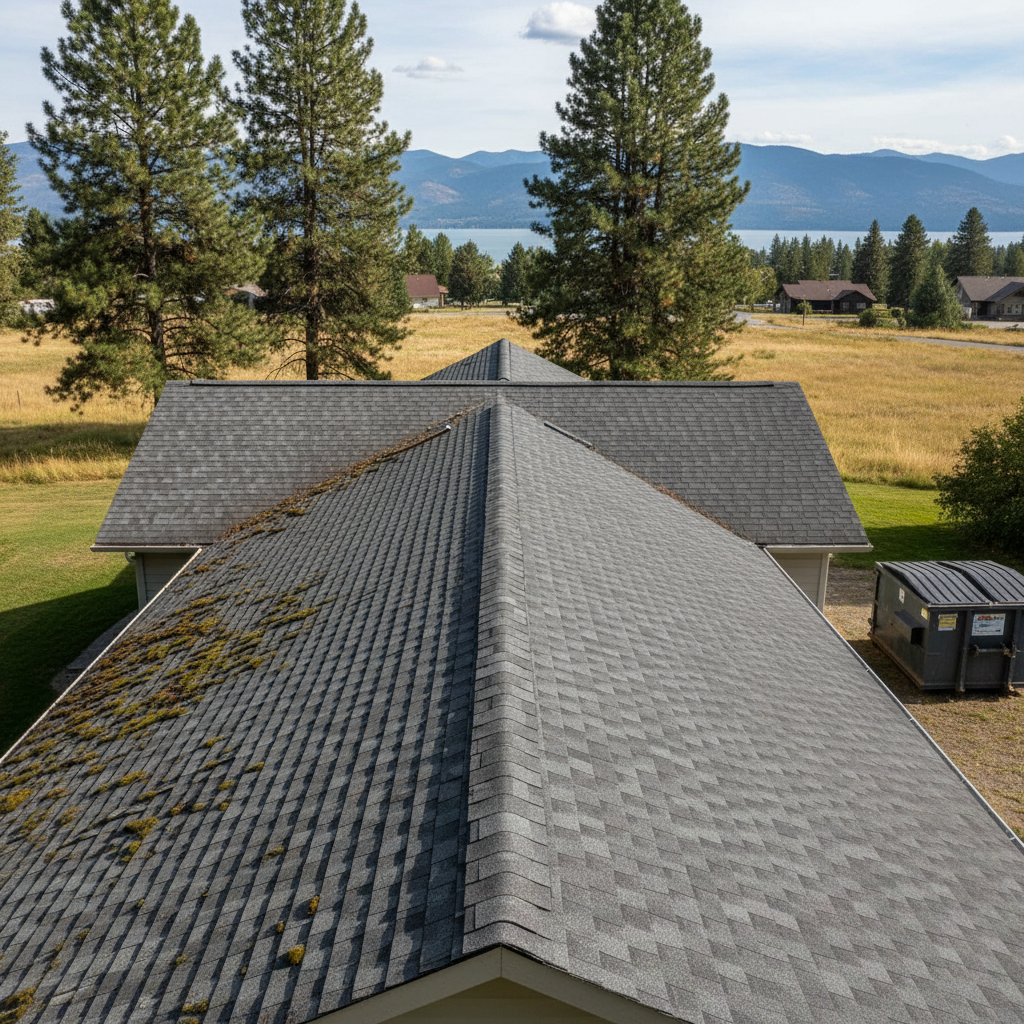
Alright, let's talk about roof inspections. You've got a roof, it's doing its job, but you know you need to keep an eye on it. The question often comes down to: do you go old school with a guy on a ladder, or do you embrace the new tech with a drone? I see this question a lot around Polson, especially with folks wanting to be smart about their home maintenance. Let's break down what each option really means for you.
Traditional Roof Inspection: Boots on the Shingles
This is what most people think of when they hear 'roof inspection.' It means a trained professional, like someone from Quantum Roofing Solutions, gets up on your roof. They walk it, they feel for soft spots, they lift shingles, they get right up close and personal with every vent, flashing, and chimney. They're looking for wear, damage from hail or wind, moss growth, anything that could be a problem.
The biggest upside? Detail. A human eye and hand can spot things a camera might miss. They can feel the integrity of a shingle, see tiny cracks in flashing that are barely visible, or notice if a nail head is popping up. They can get into those tricky valleys and around skylights where water loves to find its way in. It's a thorough, hands-on assessment.
The downsides? Well, safety is a big one. It's dangerous work, especially on steep pitches or if the roof is wet or icy. Not every roof is safe to walk on, period. Also, it takes time. A good, thorough traditional inspection isn't a five-minute job. And, depending on the complexity of your roof, it can be a bit more expensive because you're paying for that skilled labor and the inherent risk.
Drone Roof Inspection: Eyes in the Sky
Now, drones. These little flying cameras have changed the game for a lot of industries, and roofing is one of 'em. A drone inspection means a pilot flies a drone over your roof, capturing high-resolution photos and video from every angle. The inspector then reviews that footage, often using specialized software to identify potential issues.
The advantages here are pretty clear. Safety, first and foremost. Nobody has to get on the roof, so there's no risk of a fall. This is a huge plus for roofs that are very steep, high, or just plain unsafe due to age or damage. Speed is another factor; a drone can map a roof much faster than a person can walk it. You also get a digital record of your roof's condition, which can be great for insurance claims or tracking changes over time.
But it's not a magic bullet. The biggest drawback is that a drone can only see what's visible from above. It can't feel for soft spots under shingles, it can't lift a shingle to check the underlayment, and it might miss subtle issues that aren't obvious from a distance. Things like loose granules that haven't washed away yet, or minor flashing issues that are obscured by a shadow, can be tough for a drone to definitively catch. Plus, drone operations can be affected by high winds, which we get plenty of around Flathead Lake, or by trees that block line of sight.
So, Which One Should You Choose for Your Polson Home?
Honestly, for most homeowners in Polson, a traditional, boots-on-the-roof inspection is still the gold standard for a comprehensive assessment. Especially if you've got an older roof, or if you suspect specific damage, you want that human touch and expertise. That's how you catch the small stuff before it becomes big, expensive stuff.
However, drone inspections have their place. They're fantastic for initial assessments, especially if you're just looking for a quick check-up or if your roof is notoriously difficult or dangerous to access. They're also great for pre-sale inspections where you need a general overview without risking damage to a potentially fragile roof. Sometimes, we'll even use a drone first to get a lay of the land, then follow up with a targeted traditional inspection if the drone footage shows something concerning.
My recommendation? If you're serious about knowing the true condition of your roof, especially after a rough winter or if you're planning on selling, go with a traditional inspection. It's the most thorough way to ensure you're not missing anything critical. If you just need a quick look, or your roof is too dangerous to walk, a drone inspection is a solid alternative. Just understand its limitations.
Ultimately, it's about getting peace of mind. You want to know your roof is protecting your home, and sometimes that means getting a little dirt on your boots, or in our case, on our inspector's boots.