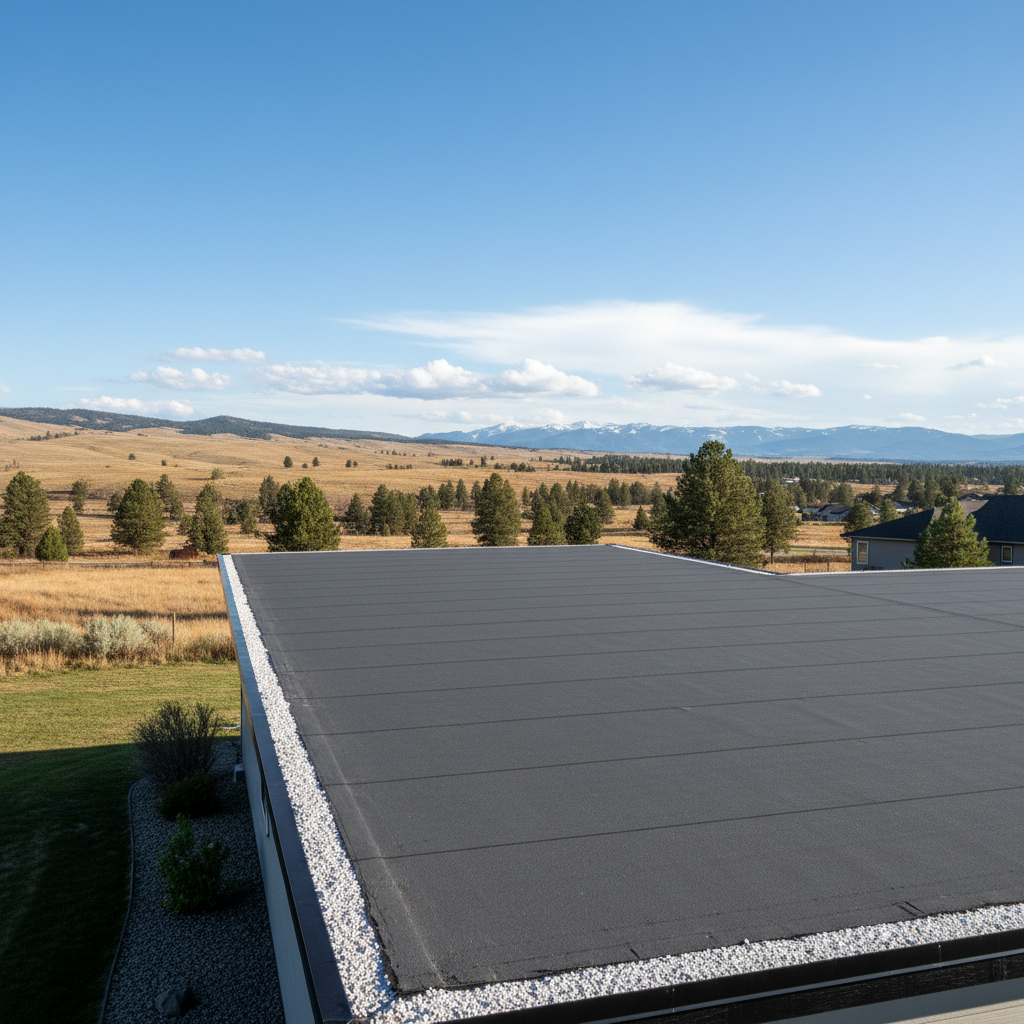
Flat roofs, or low-slope roofs as we often call 'em, are a common sight around Polson, especially on commercial buildings or some of the more modern residential designs you see popping up. They're great for maximizing interior space and can even offer usable rooftop areas, but they need a different kind of love than your typical pitched roof. If you want yours to last, you gotta be proactive. Ignoring it is just asking for trouble, and believe me, I've seen enough water damage to know what I'm talking about.
Extending Your Flat Roof's Lifespan
The biggest thing you can do to get more years out of your flat roof is to keep it clean and keep an eye on it. It sounds simple, but it's where most folks drop the ball. Water is the enemy of any roof, and on a flat roof, it doesn't drain as quickly as it does on a steep slope. That means debris can easily block drainage and cause standing water, which is a big no-no.
- Keep it Clean: Regularly clear off leaves, branches, dirt, and anything else that lands up there. Especially after a good windstorm, or in the fall when all the cottonwood fluff and leaves are coming down. Those gutters and drains need to be free and clear.
- Prevent Standing Water: This is crucial. If you see puddles that stick around for more than 48 hours after a rain, you've got a problem. It might be a structural issue, or just a sag in the membrane. That standing water will break down your roofing material fast, no matter how good it is.
- Protect from UV: The Montana sun is intense, even if it's not always scorching hot. UV rays degrade roofing materials over time. If your roof has a reflective coating, make sure it's maintained. If it doesn't, consider adding one. It'll help with energy costs too.
- Limit Foot Traffic: Unless you're up there for maintenance, try to keep people off the roof. Every step, every dropped tool, can cause damage to the membrane.
What Regular Maintenance Looks Like
For a flat roof, regular maintenance isn't just a suggestion; it's a requirement. I'd say you need to be up there at least twice a year, maybe more if we've had a particularly nasty winter or a lot of heavy winds. Spring and fall are usually the best times.
First, do a visual check. Look for anything out of place. Are there any tears, cracks, or blisters in the membrane? Is the flashing around vents, skylights, or parapet walls still tight? Are the seams sealed up properly? On a TPO or EPDM roof, those seams are critical. If they start to peel, you're asking for a leak.
Next, clean those drains and gutters. Seriously, I can't stress this enough. A blocked drain is the number one cause of flat roof leaks I see in Polson. All that snow melt in the spring, or a heavy summer thunderstorm, needs a clear path off the roof. If you've got gravel ballast, make sure it hasn't shifted and exposed the membrane underneath.
If you have a built-up roof (BUR) with a gravel surface, look for areas where the gravel has washed away, exposing the asphalt. That asphalt will degrade quickly in the sun.
Warning Signs You've Got a Problem
Don't wait for a drip in your living room to realize you have a roof issue. Here are some things to look for:
- Ponding Water: We already talked about it, but it's worth repeating. If water isn't draining, it's a problem.
- Cracks, Blisters, or Punctures: These are direct pathways for water. Blisters are air or moisture trapped under the membrane, and they can eventually pop or crack.
- Separated Seams or Flashing: If the edges of your membrane are pulling away, or the flashing around penetrations isn't sealed tight, water will find its way in.
- Algae or Plant Growth: Moss or algae growth can indicate prolonged moisture. Any plants growing on your roof mean there's enough organic material and moisture to support life, which is bad for your roof.
- Interior Stains: Water stains on your ceiling or walls are a dead giveaway. By the time you see them inside, the leak has probably been active for a while.
- Musty Odors: Sometimes you'll smell moisture before you see it. A damp, musty smell can mean water is getting into your building's structure.
When to Call a Professional
Look, a lot of this maintenance you can do yourself if you're comfortable and have the right safety gear. But there are times when you absolutely need to call in the pros. If you see any significant damage, like large tears, widespread blistering, or structural sagging, that's beyond a DIY fix. If you're not sure what you're looking at, or if the roof is particularly high or difficult to access, don't risk it.
Also, if you're consistently getting standing water, that might indicate a structural issue or improper slope that needs an expert to diagnose. We've got pretty heavy snow loads here in Polson some winters, and that can really put a strain on a flat roof's structure. Quantum Roofing Solutions is always here to give you an honest assessment. We'll tell you if it's something you can handle or if it needs a bigger fix. Getting ahead of these issues can save you a ton of money and headaches down the road. Don't let a small problem turn into a big one.