When should I call for a roof inspection, even if I don't see obvious damage?
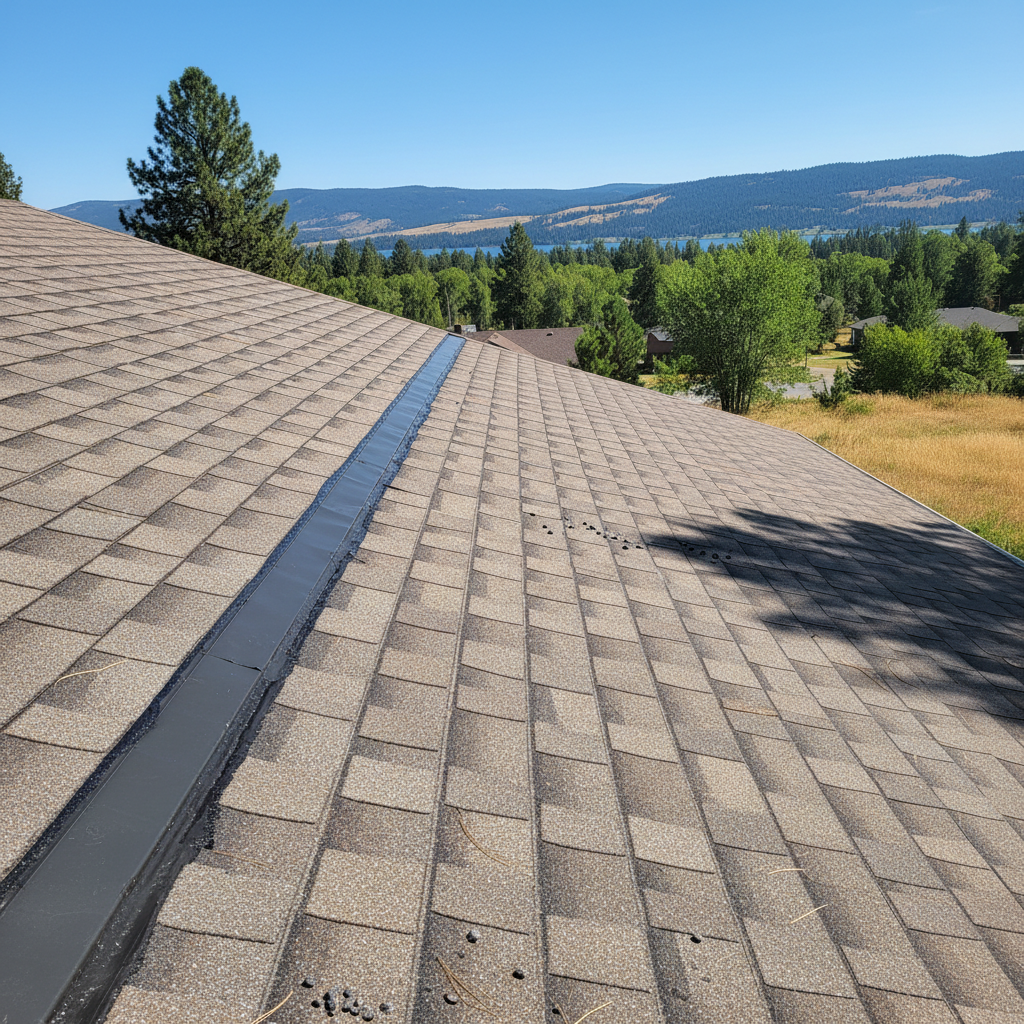
You know, it's funny how many folks wait until they've got water dripping onto their kitchen table before they think about calling me. But honestly, the best time to get your roof looked at is *before* you see a problem. I tell everyone in Polson to get an inspection at least once a year, especially after a rough winter or a big storm. We get some serious wind off Flathead Lake sometimes, and that can lift shingles you'd never notice from the ground. Even if you don't see missing shingles, granules washing into your gutters, or dark spots on your ceiling, a professional eye can spot small issues like cracked flashing or loose seals around vents that can turn into big, expensive headaches if left alone. Think of it as preventative maintenance for your biggest asset.
How long does a typical roof repair take?
That's like asking how long a piece of string is, right? It really depends on the damage. A few missing shingles on a straightforward pitch? We can often knock that out in a few hours, maybe half a day. But if you've got extensive storm damage, say a tree branch punched through your decking, or widespread shingle loss across multiple slopes, that's a different story. That could take a day or two, sometimes more if we're dealing with structural repairs underneath. Access plays a part too; a single-story ranch is quicker than a steep, multi-level home up on the hill. When I come out for an estimate, I'll give you a pretty good idea of the timeline once I've seen what we're up against.
Can I just patch my roof, or do I need a full replacement?
This is a big one, and it's where an honest contractor really makes a difference. My goal at Quantum Roofing Solutions isn't to sell you a new roof if you don't need one. If it's isolated damage – a small leak, a few blown-off shingles, or some minor flashing issues – then absolutely, a targeted repair is the smart way to go. We'll match your existing shingles as best we can and make sure the repair blends in. However, if your roof is old, say 18-20 years for asphalt, and you're seeing widespread issues like curling, buckling, or granule loss across the whole surface, then patching is just putting a band-aid on a much larger problem. You'll be throwing good money after bad, and another leak will pop up somewhere else soon enough. In those cases, I'll tell you straight up that a replacement is the more cost-effective and durable solution in the long run.
What causes those dark streaks on my roof, and can they be removed?
Ah, the dreaded black streaks! We see a lot of that around Polson, especially on the north-facing slopes of roofs that don't get as much direct sun. Those aren't dirt, they're actually a type of algae called Gloeocapsa magma. It thrives in our humid conditions and feeds on the limestone filler in asphalt shingles. It's not just an eyesore; over time, it can actually degrade your shingles by holding moisture and preventing them from reflecting sunlight properly. Yes, they can be removed! We use a gentle, low-pressure cleaning method with specific solutions that kill the algae without damaging your shingles. Don't let anyone blast your roof with a high-pressure washer – that'll do more harm than good, stripping off those protective granules. Once cleaned, some newer shingles even have copper granules embedded to help prevent it from coming back as quickly.
Will my homeowner's insurance cover roof repair?
Good question, and the answer is usually yes, but it depends on the cause of the damage. Most standard homeowner's policies cover sudden and accidental damage, like hail, windstorms, or falling trees. If a storm ripped off your shingles, you're likely covered. However, if the damage is due to neglect, poor maintenance, or just old age and wear and tear, then your insurance probably won't pay for it. That's why those annual inspections are so important – they can help you catch small issues before they become major, uncovered problems. I've worked with plenty of insurance adjusters, and I can help you understand the process and provide the documentation you'll need if you do have a claim.
Why do I keep getting leaks in the same spot after previous repairs?
That's incredibly frustrating, and it usually points to one of two things. Either the initial repair wasn't done correctly, or the leak's true source wasn't identified. Sometimes, water travels a long way before it shows up inside your house. What looks like a leak directly below a certain spot on your roof might actually be coming from higher up or even from a completely different area. Improper flashing around chimneys, skylights, or vent pipes is a common culprit. Or maybe the previous repair just patched the symptom, not the root cause. When I investigate repeat leaks, I don't just look at the drip; I trace the path of the water, check all the potential entry points, and make sure we're fixing the actual problem, not just the visible damage. It takes a bit more detective work, but it's the only way to get it right.